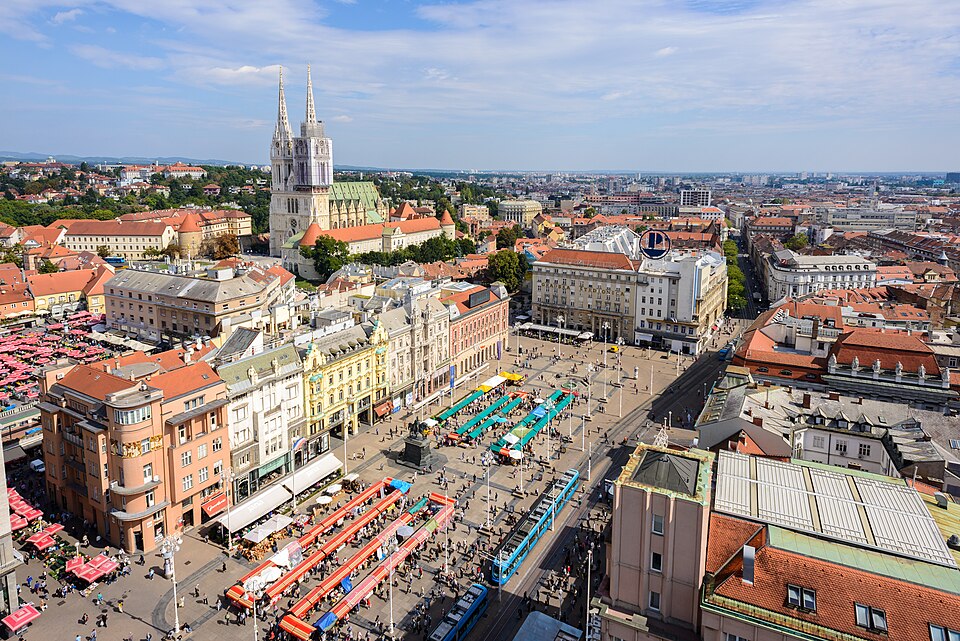
Study in Croatia
Croatia joined the Schengen zone on 1 January 2023 (having adopted the Euro the same year), making it an increasingly attractive and well-connected EU study destination. Tuition ranges EUR 600 – 5,000/year for most programs (medicine EUR 10,000 – 12,000/year), and total living costs run EUR 400 – 800/month along a beautiful Adriatic coastline.
Read our full in-depth guideCroatia at a Glance
Why Study in Croatia?
- Full EU and Schengen member since 2023 — visa-free travel across Europe
- Affordable tuition: EUR 600 – 5,000/year for most programs
- Living costs of EUR 400 – 800/month, including Adriatic coastal cities
- Growing number of English-taught programs
- Part-time work rights: up to 20 hrs/week during studies
- EU-recognized degree
- Beautiful Mediterranean environment with a rising international student population
- Euro currency simplifies budgeting and remittances from home
Entry Requirements
- ✓Valid Pakistani passport
- ✓University admission letter
- ✓Application at the Croatian Embassy or Consulate covering Pakistan
- ✓Proof of means of support, plus official fees: EUR 46.45 temporary stay approval, EUR 31.85 biometric residence permit and EUR 9.29 administrative fee
- ✓IELTS 5.5 or equivalent
- ✓Health insurance
- ✓Academic transcripts (attested)
- ✓Proof of accommodation
Croatia FAQs
How much does it cost to study in Croatia?+
Living costs in Croatia run around EUR 400 – 800/month, on top of tuition. Croatia joined the Schengen zone on 1 January 2023 (having adopted the Euro the same year), making it an increasingly attractive and well-connected EU study destination.
What documents do I need for a Croatia student visa?+
You'll typically need: Valid Pakistani passport; University admission letter; Application at the Croatian Embassy or Consulate covering Pakistan; Proof of means of support, plus official fees: EUR 46.45 temporary stay approval, EUR 31.85 biometric residence permit and EUR 9.29 administrative fee. This is a summary — our consultants confirm the exact checklist for your specific case.
Can international students work part-time in Croatia?+
Yes — Up to 20 hrs/week during studies.
Can I stay in Croatia after graduating?+
Yes — ~5 years of continuous legal residence.
Why should I choose Croatia to study abroad?+
Full EU and Schengen member since 2023 — visa-free travel across Europe. Affordable tuition: EUR 600 – 5,000/year for most programs. Living costs of EUR 400 – 800/month, including Adriatic coastal cities.
You Might Also Consider
Similar destinations worth comparing against Croatia

Romania
Romania offers some of the most affordable university education in the EU, with strong, HEC-recognized programs in medicine, engineering, and business. Public university tuition runs EUR 2,000 – 4,000/year (medicine EUR 4,000 – 6,000/year) and total living costs are as low as EUR 300 – 600/month. Romania completed full Schengen accession (land, sea and air borders) on 1 January 2025.
Bosnia & Herzegovina
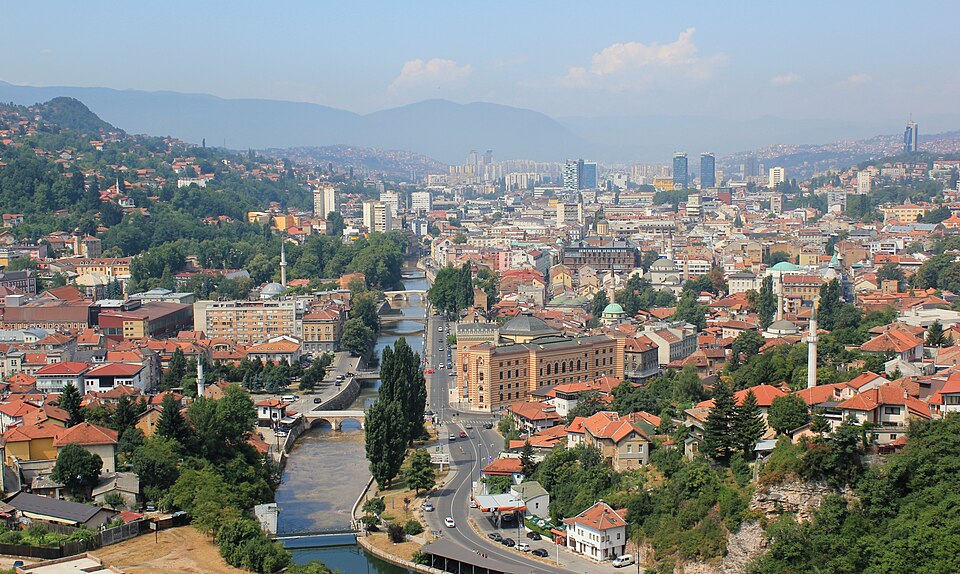
Bosnia & Herzegovina offers some of the most affordable university education in Europe, with a growing number of English-taught programs and a rich cultural experience. Sarajevo consistently ranks among the cheapest capital cities to live in Eastern Europe. Bosnia is an EU candidate country — not yet an EU or Schengen member — so the visa and mobility picture differs from most other destinations on this list.
Latvia
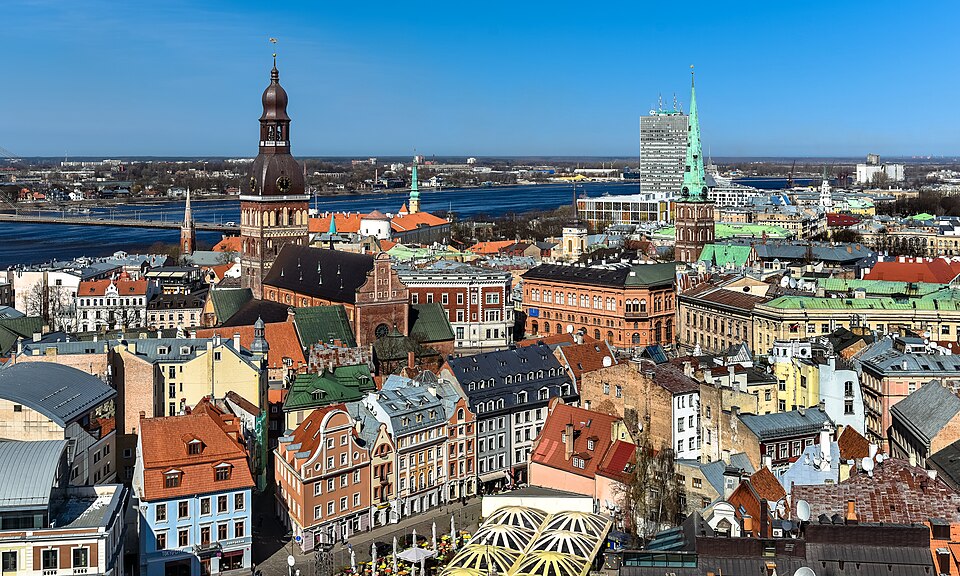
Universities AvailableLatvia is a full EU and Schengen member state on the Baltic Sea, and one of the most accessible European study destinations for Pakistani students. Bachelor programs typically cost EUR 1,600 – 8,000/year and master programs EUR 2,800 – 15,000/year, while total living costs in Riga run EUR 600 – 850/month — a fraction of what similar programs cost in Western Europe. Latvia ranks 19th in the 2026 Global Peace Index, and its student residence permit already includes the right to work part-time, with no separate work permit needed.
Ready to Study in Croatia?
Fill in your details and our consultant will contact you within 24 hours.