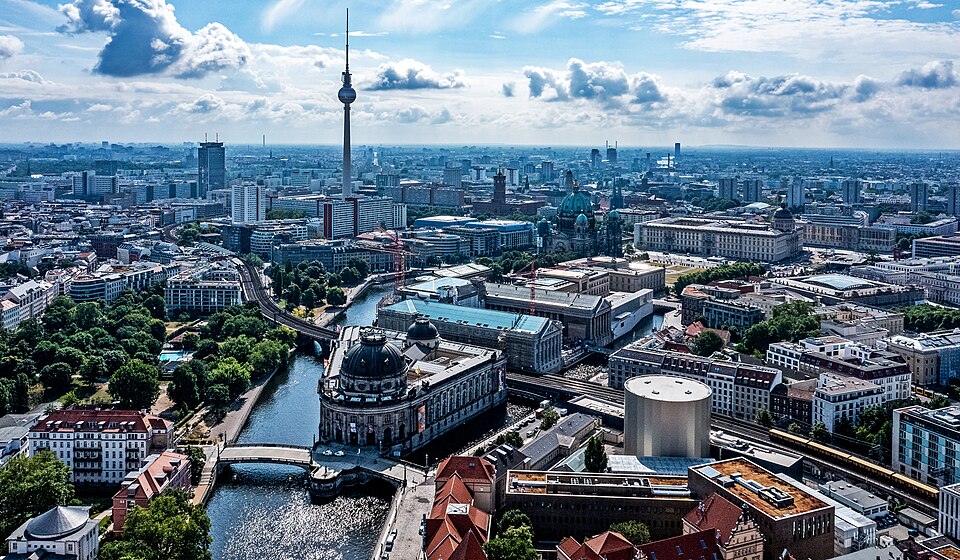
Study in Germany
Germany is Europe's largest economy and home to world-class universities — and one of the very few countries where public universities charge zero tuition, even for international students, aside from a small ~EUR 300–400 per-semester administrative fee. The trade-off is a strict blocked-account (Sperrkonto) requirement of roughly EUR 11,904/year to prove you can support yourself, but graduates get an 18-month post-study visa to find work, one of the most generous in Europe.
Read our full in-depth guideGermany at a Glance
Why Study in Germany?
- Tuition-free education at most public universities — only a small semester contribution (~EUR 300–400)
- World-class engineering, science, and business programs with strong industry links
- One of the most generous post-study work visas in Europe: up to 18 months to find a job
- Skilled-worker pathway to permanent settlement, often faster with an EU Blue Card
- Strong job market and high salaries for STEM and business graduates
- Work rights included in the residence permit: 20 hrs/week in term, full-time in semester breaks
- Around 9,800 Pakistani students were enrolled in German higher education in 2023/24 — an established community
- Full EU and Schengen member state
Entry Requirements
- ✓Valid Pakistani passport
- ✓University admission letter (required before applying for the visa)
- ✓National (Type D) student visa application
- ✓Blocked account (Sperrkonto) with ≈ EUR 11,904 deposited, releasing ≈ EUR 992/month
- ✓IELTS 6.0-6.5 or German language proficiency (B2/C1), depending on the program
- ✓Health insurance valid in Germany
- ✓Academic transcripts and certificates, attested by HEC and the Ministry of Foreign Affairs
- ✓Motivation letter and passport-size photographs
Germany FAQs
How much does it cost to study in Germany?+
Germany is Europe's largest economy and home to world-class universities — and one of the very few countries where public universities charge zero tuition, even for international students, aside from a small ~EUR 300–400 per-semester administrative fee. The trade-off is a strict blocked-account (Sperrkonto) requirement of roughly EUR 11,904/year to prove you can support yourself, but graduates get an 18-month post-study visa to find work, one of the most generous in Europe..
What documents do I need for a Germany student visa?+
You'll typically need: Valid Pakistani passport; University admission letter (required before applying for the visa); National (Type D) student visa application; Blocked account (Sperrkonto) with ≈ EUR 11,904 deposited, releasing ≈ EUR 992/month. This is a summary — our consultants confirm the exact checklist for your specific case.
Can international students work part-time in Germany?+
Yes — 20 hrs/week in term, full-time in semester breaks.
Can I stay in Germany after graduating?+
Yes — Up to 18 months to search for a job.
Why should I choose Germany to study abroad?+
Tuition-free education at most public universities — only a small semester contribution (~EUR 300–400). World-class engineering, science, and business programs with strong industry links. One of the most generous post-study work visas in Europe: up to 18 months to find a job.
You Might Also Consider
Similar destinations worth comparing against Germany

Austria
Austria offers world-class education at genuinely affordable public university fees (≈ EUR 726.72/semester for non-EU students), and Vienna consistently ranks among the world's most livable cities. For the residence permit, students under 24 must show EUR 722.58/month (≈ EUR 8,671/year) and students aged 24 and over EUR 1,308.39/month (≈ EUR 15,701/year) at 2026 rates. Graduates get a 6-month job-seeker visa before transitioning to the Red-White-Red Card for skilled work.

France
France is one of the world's top study destinations, home to prestigious grandes écoles and research universities. Public university tuition for non-EU students is set nationally at EUR 2,902/year for a licence and EUR 3,950/year for a master's in 2026–2027, and applications run through the official Campus France platform, including a mandatory interview at the French Embassy in Islamabad. From September 2026 a university may exempt at most 30% of its non-EU students from these differentiated fees, falling to 25% in 2027–2028.
Belgium
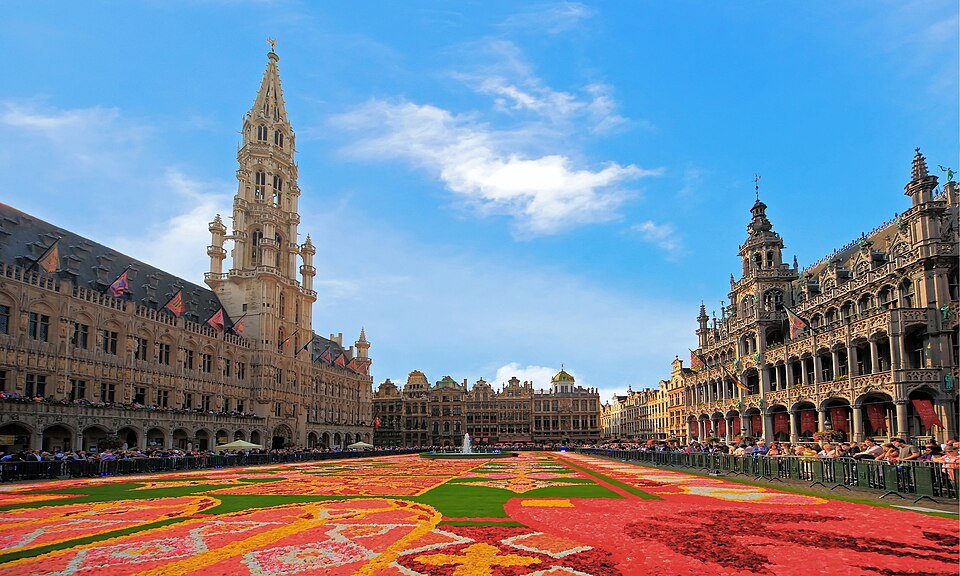
Belgium is home to some of Europe's oldest and most prestigious universities. As the de facto capital of the EU, it offers unmatched networking opportunities alongside genuinely affordable public tuition (EUR 1,200 – 7,000/year). Students must show EUR 1,062 net per month for 2026–2027, and graduates get a full one-year 'orientation permit' to find work after finishing their studies.
Ready to Study in Germany?
Fill in your details and our consultant will contact you within 24 hours.