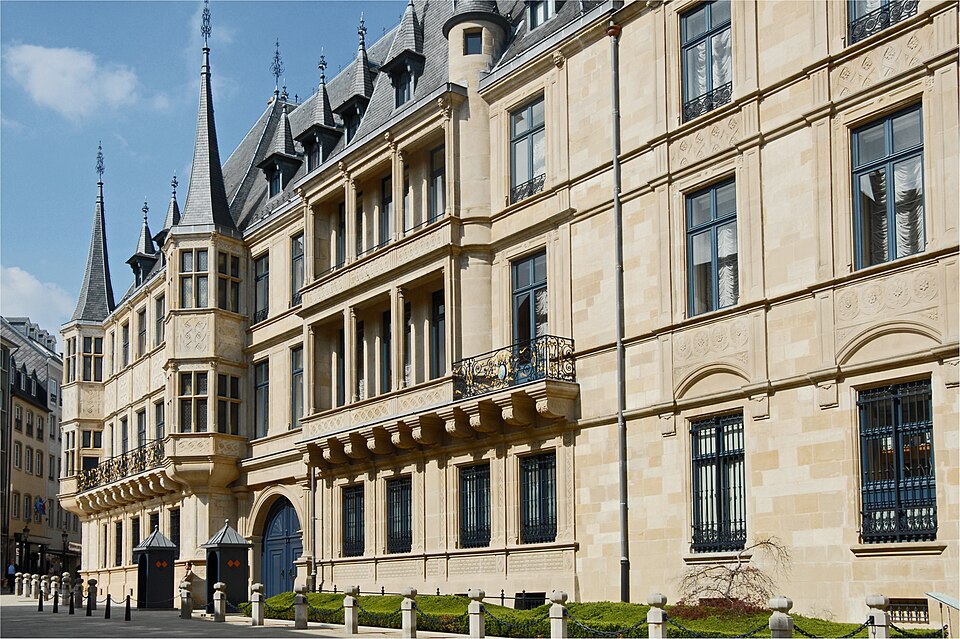
Study in Luxembourg
Luxembourg is one of Europe's wealthiest countries, offering multilingual education and excellent career prospects in finance and EU institutions. The University of Luxembourg — the country's only public university — charges just EUR 400/semester for the first two semesters, dropping to EUR 200/semester after, and public transport nationwide is free for everyone, students included.
Read our full in-depth guideLuxembourg at a Glance
Why Study in Luxembourg?
- Highest GDP per capita in the EU, with strong finance and EU-institution job markets
- Remarkably affordable tuition at the University of Luxembourg: EUR 400/semester, dropping to EUR 200/semester
- Free nationwide public transport — a real dent out of the monthly budget
- Multilingual education environment (English, French, German, Luxembourgish)
- Central European location with easy access to Germany, France, and Belgium
- Government scholarships available, including stipends of EUR 800 – 1,200/month
- Small, safe, and highly international student environment
- Full EU and Schengen member state
Entry Requirements
- ✓Valid Pakistani passport
- ✓University/college admission letter
- ✓Temporary authorisation to stay from the Luxembourg Directorate of Immigration first, then the visa via the Belgian Embassy in Islamabad (Luxembourg has no mission in Pakistan). Residence permit fee EUR 80 on arrival
- ✓Proof of funds — at least 80% of the social inclusion income (REVIS), roughly EUR 780/month in 2026
- ✓Health insurance
- ✓Biometrics (fingerprints and photographs) as part of the visa process
- ✓IELTS 6.0 or equivalent
- ✓Proof of accommodation in Luxembourg
Luxembourg FAQs
How much does it cost to study in Luxembourg?+
Living costs in Luxembourg run around EUR 700 – 1,500/month (public transport is free), on top of tuition. Luxembourg is one of Europe's wealthiest countries, offering multilingual education and excellent career prospects in finance and EU institutions.
What documents do I need for a Luxembourg student visa?+
You'll typically need: Valid Pakistani passport; University/college admission letter; Temporary authorisation to stay from the Luxembourg Directorate of Immigration first, then the visa via the Belgian Embassy in Islamabad (Luxembourg has no mission in Pakistan). Residence permit fee EUR 80 on arrival; Proof of funds — at least 80% of the social inclusion income (REVIS), roughly EUR 780/month in 2026. This is a summary — our consultants confirm the exact checklist for your specific case.
Can international students work part-time in Luxembourg?+
Yes — Average of 15 hrs/week during term; unrestricted in holidays.
Can I stay in Luxembourg after graduating?+
Luxembourg offers post-study options for graduates. Contact us for the latest post-study visa and residency rules.
Why should I choose Luxembourg to study abroad?+
Highest GDP per capita in the EU, with strong finance and EU-institution job markets. Remarkably affordable tuition at the University of Luxembourg: EUR 400/semester, dropping to EUR 200/semester. Free nationwide public transport — a real dent out of the monthly budget.
You Might Also Consider
Similar destinations worth comparing against Luxembourg
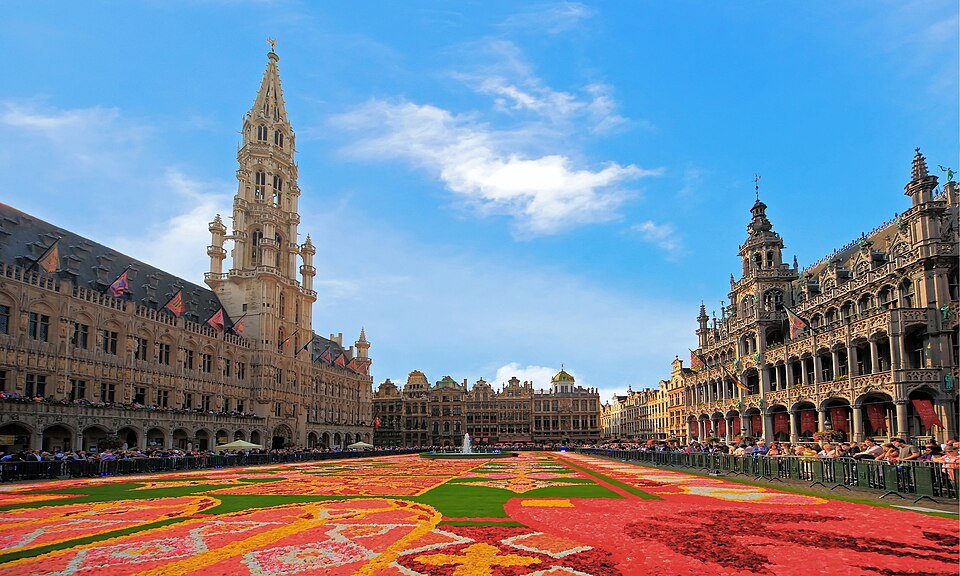
Belgium
Belgium is home to some of Europe's oldest and most prestigious universities. As the de facto capital of the EU, it offers unmatched networking opportunities alongside genuinely affordable public tuition (EUR 1,200 – 7,000/year). Students must show EUR 1,062 net per month for 2026–2027, and graduates get a full one-year 'orientation permit' to find work after finishing their studies.

France
France is one of the world's top study destinations, home to prestigious grandes écoles and research universities. Public university tuition for non-EU students is set nationally at EUR 2,902/year for a licence and EUR 3,950/year for a master's in 2026–2027, and applications run through the official Campus France platform, including a mandatory interview at the French Embassy in Islamabad. From September 2026 a university may exempt at most 30% of its non-EU students from these differentiated fees, falling to 25% in 2027–2028.
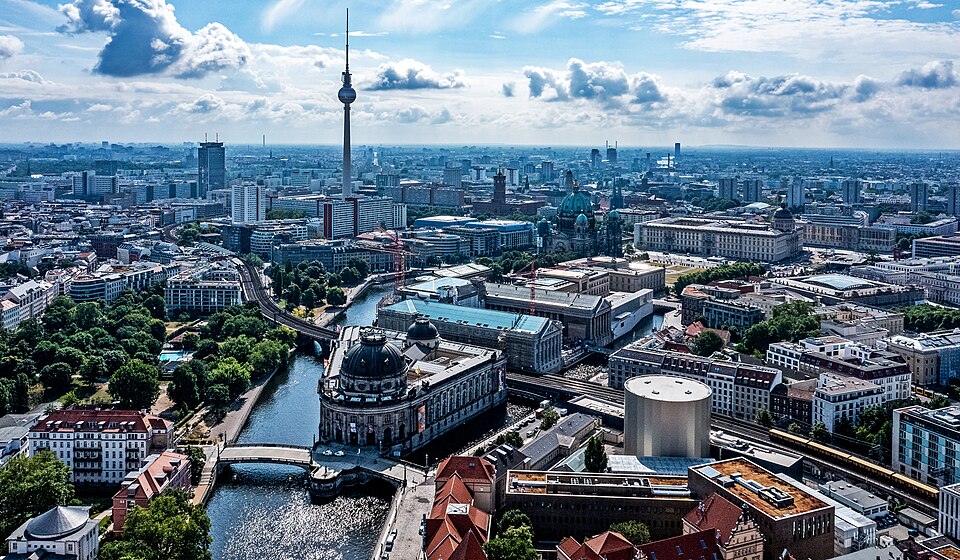
Germany
Germany is Europe's largest economy and home to world-class universities — and one of the very few countries where public universities charge zero tuition, even for international students, aside from a small ~EUR 300–400 per-semester administrative fee. The trade-off is a strict blocked-account (Sperrkonto) requirement of roughly EUR 11,904/year to prove you can support yourself, but graduates get an 18-month post-study visa to find work, one of the most generous in Europe.
Ready to Study in Luxembourg?
Fill in your details and our consultant will contact you within 24 hours.