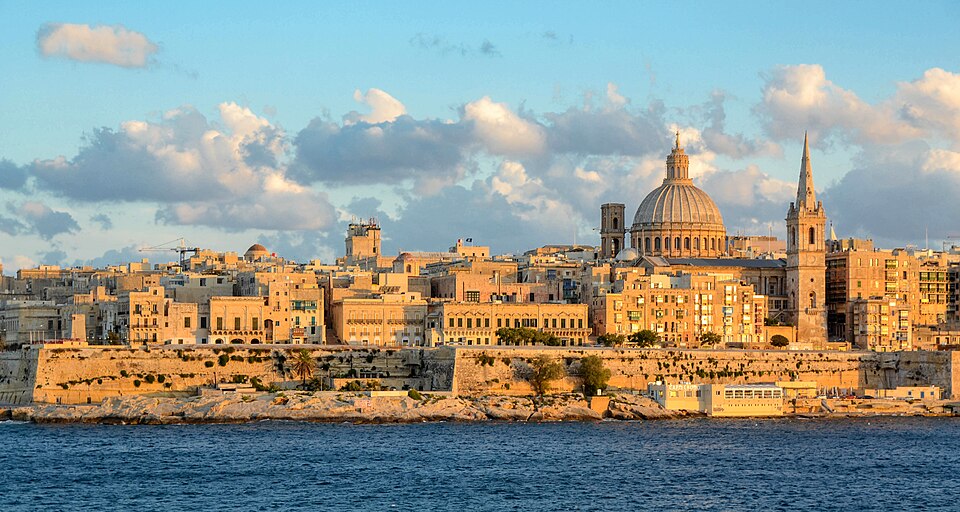
Study in Malta
Malta is a small EU island nation where English is an official language — a unique advantage for Pakistani students, since teaching, daily life, and paperwork are all conducted in English. Tuition runs EUR 5,000 – 12,000/year, living costs EUR 800 – 1,200/month, and as a Schengen state, a Maltese residence permit opens up travel across Europe.
Read our full in-depth guideMalta at a Glance
Why Study in Malta?
- English is an official language — no language barrier in class or daily life
- Full EU and Schengen member state
- Warm Mediterranean climate and a thriving hospitality/tourism job market
- Part-time work of up to 20 hrs/week, via a Jobsplus work permit obtained after your residence permit is issued
- 12-month job-search residence permit for graduates of MQF level 7/8 (master's and above), applied for within 6 months of graduating
- Strong hospitality, business, and English-language program offerings
- Compact, safe island setting popular with South Asian students
- VFS Global visa processing available across Islamabad, Lahore, and Karachi
Entry Requirements
- ✓Valid Pakistani passport (minimum 10 months validity)
- ✓Acceptance letter from a recognized Maltese institution
- ✓National (Type D) visa application, typically processed via the Italian Embassy in Islamabad
- ✓Proof of funds — commonly cited around EUR 950+/month
- ✓Schengen-compliant medical insurance (minimum EUR 30,000 coverage)
- ✓Police clearance certificate (NADRA)
- ✓Proof of accommodation
- ✓Passport-size photographs
Malta FAQs
How much does it cost to study in Malta?+
Living costs in Malta run around EUR 800 – 1,200/month, on top of tuition. Malta is a small EU island nation where English is an official language — a unique advantage for Pakistani students, since teaching, daily life, and paperwork are all conducted in English.
What documents do I need for a Malta student visa?+
You'll typically need: Valid Pakistani passport (minimum 10 months validity); Acceptance letter from a recognized Maltese institution; National (Type D) visa application, typically processed via the Italian Embassy in Islamabad; Proof of funds — commonly cited around EUR 950+/month. This is a summary — our consultants confirm the exact checklist for your specific case.
Can international students work part-time in Malta?+
Yes — Up to 20 hrs/week, with a Jobsplus work permit.
Can I stay in Malta after graduating?+
Yes — ~5 years of continuous employment.
Why should I choose Malta to study abroad?+
English is an official language — no language barrier in class or daily life. Full EU and Schengen member state. Warm Mediterranean climate and a thriving hospitality/tourism job market.
You Might Also Consider
Similar destinations worth comparing against Malta
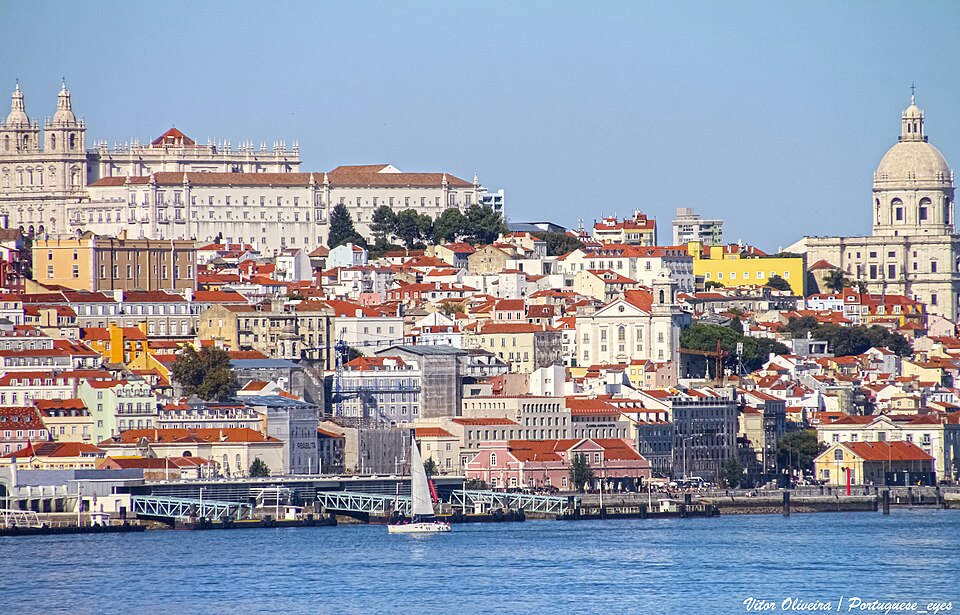
Portugal
Portugal is one of Europe's most welcoming countries for international students, combining high-quality education with a warm climate and a genuinely accessible path to long-term residency. Public university tuition is often just EUR 950 – 1,250/year and living costs run EUR 600 – 1,200/month. Note that the nationality law changed on 19 May 2026 (Lei Orgânica n.º 1/2026): naturalisation now requires 10 years of legal residence for non-CPLP nationals, including Pakistanis, up from the previous 5 years.
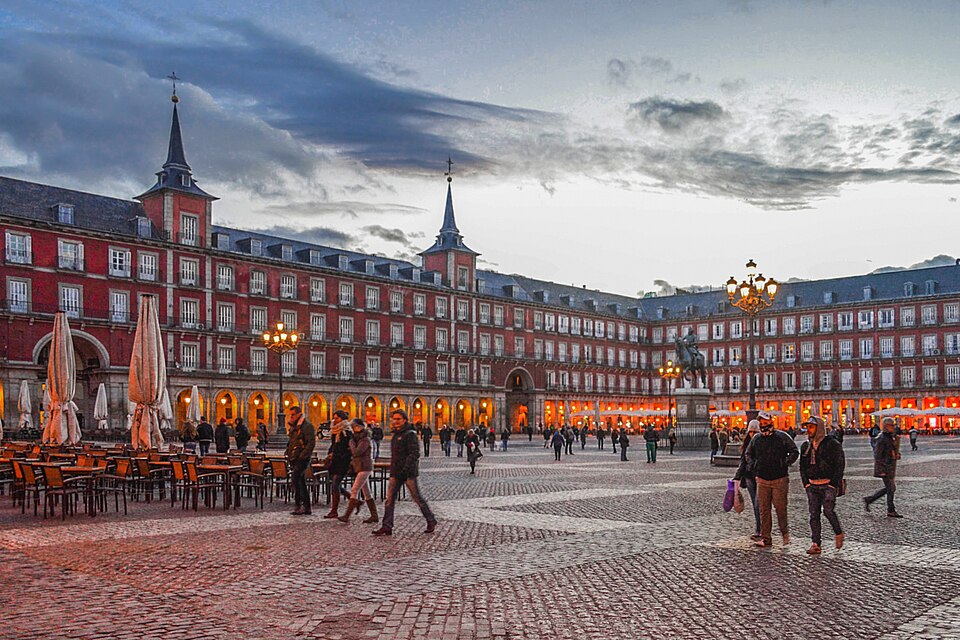
Spain
Spain is a vibrant EU study destination with world-class universities, a warm climate, and a rich cultural experience. Total cost of attendance (tuition + living) typically runs EUR 7,500 – 15,000/year, and Spain offers one of the most generous student work allowances in Europe — up to 30 hours per week, well above the usual 20-hour EU norm.
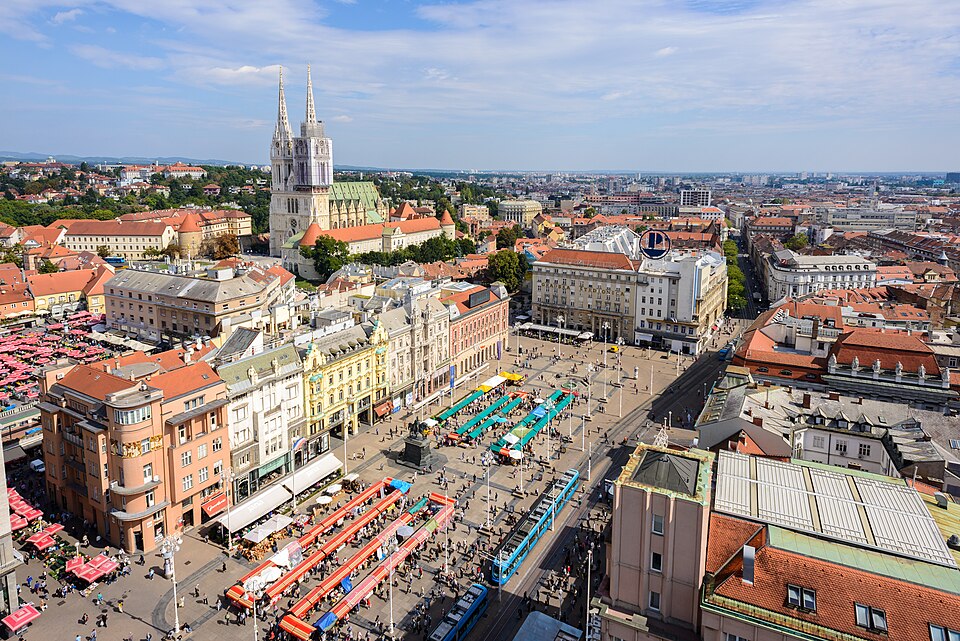
Croatia
Croatia joined the Schengen zone on 1 January 2023 (having adopted the Euro the same year), making it an increasingly attractive and well-connected EU study destination. Tuition ranges EUR 600 – 5,000/year for most programs (medicine EUR 10,000 – 12,000/year), and total living costs run EUR 400 – 800/month along a beautiful Adriatic coastline.
Ready to Study in Malta?
Fill in your details and our consultant will contact you within 24 hours.